Search the Blogs

Search by all or part
select one or more

The Arizona Telemedicine Program Blog

Displaying 206 - 210 of 249

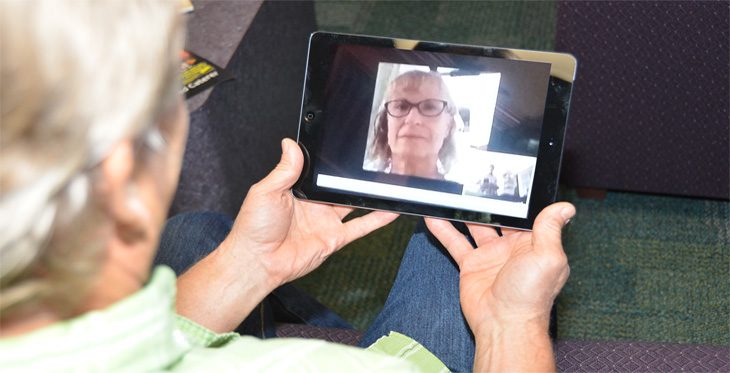
“Telemedicine doesn’t work!” That’s what I heard a few years ago from two angry friends who knew I worked in the field of telebehavioral health.

It turned out that the husband had had symptoms that led the ED staff at their local hospital to think he might be having a stroke. That hospital had a telestroke service, which was used to determine whether he had had an ischemic stroke and needed the clot-busting drug tPA to save his life.

In 2006, Banner Health made the decision to equip every one of their ICU beds with an eICU system that provides round-the-clock, “remote” care to critical care patients. Banner Telehealth’s eICU operations centers, located in Mesa, Ariz., Denver, Colo., Santa Monica, Calif., and Tel Aviv, Israel, has helped reduce patient mortality and shortened ICU stays.

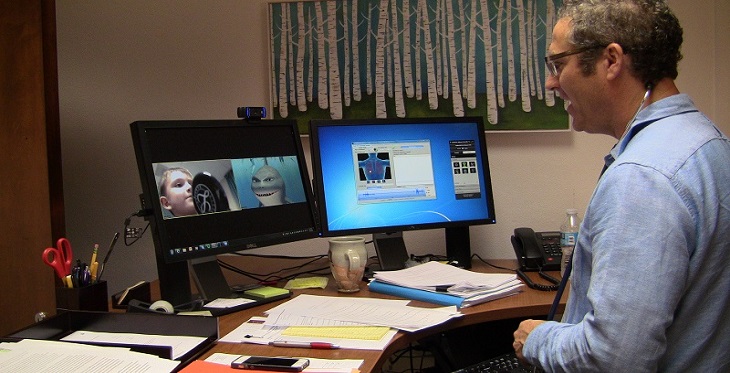
In 2013, Banner took another step toward state-of-the-art intensive care, by implementing a tele-echocardiography system to relay patients’ echocardiographic images to the eICU in real time. This was achieved by training respiratory therapists to obtain the images and project them in real time to the tele-ICU physician via the tele-ICU Camera.

Congratulations to The Arizona Republic on its 125 years of publishing in Arizona. As part of its anniversary celebration, the newspaper compiled several historical Top 10 lists, including “Top 10 Health Stories from Arizona in the past 125 years,” by Ken Alltucker.

The list includes the 1918 flu pandemic, Arizona’s Medicaid launch, the state’s first heart-transplant surgery, formation of an early multi-hospital system (Samaritan Health, now Banner Health), hosting of a tuberculosis colony in the 1920s and 30s, producing and testing scorpion anti-venom, pioneering brain surgery, making strides in genomic medicine research, the Affordable Care Act, and telemedicine advances.

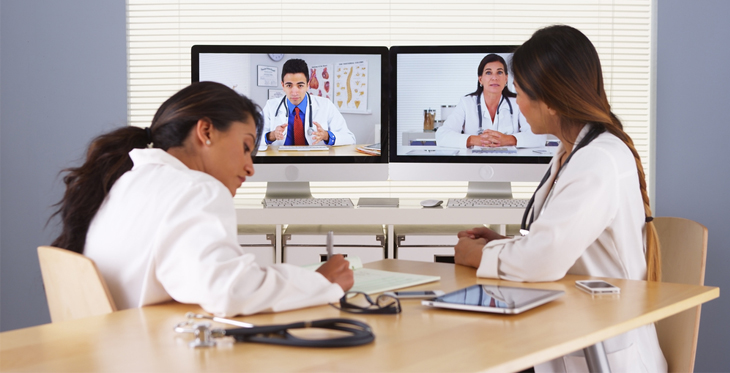
In rural areas, telemedicine offers patients the opportunity to get specialty health services and physician consultations without the need for extensive travel. Rural telemedicine may be the great equalizer for rural populations, which typically experience reduced services and less favorable health outcomes compared to populations served by large medical centers.

Jeffrey R. Lisse, MD, professor of medicine and medical director of the University of Arizona Arthritis Center’s Osteoporosis Program, has been named medical director of the Arizona Telemedicine Program.

Write for the ATP Blog

Guest Author

Connect With Us