
The Arizona Telemedicine Program Blog, Category: Patients

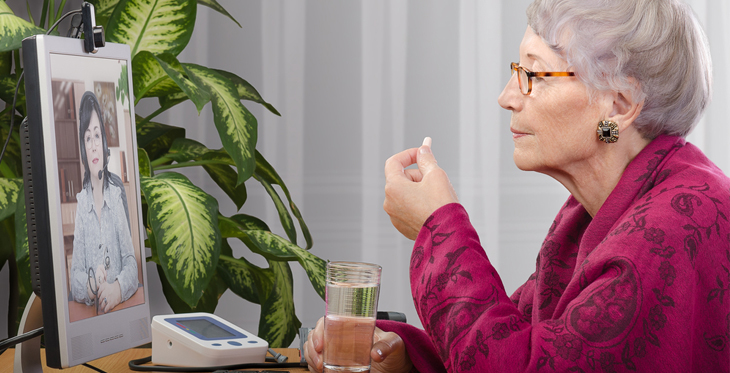
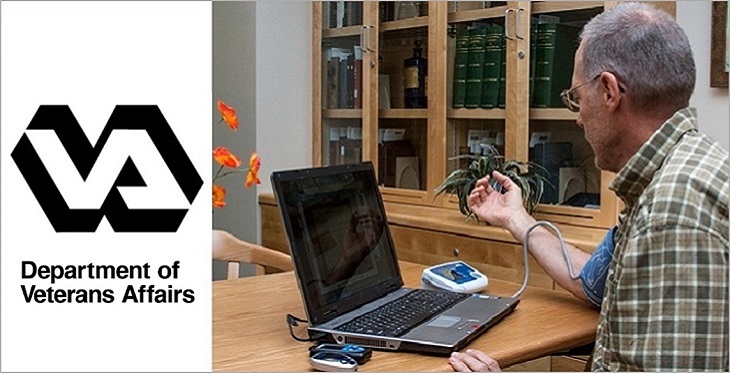
Home telehealth programs can help patients manage chronic disease, while receiving education and daily guidance from a nurse care coordinator or other health professional.

For some reason, however, many patients in home telehealth programs do not adhere to daily check-ins.

I am the telehealth specialist and facility e-consult coordinator with the Phoenix Veterans Administration Health Care System. As part of my studies toward a doctoral degree in nursing, I have found a potential solution.

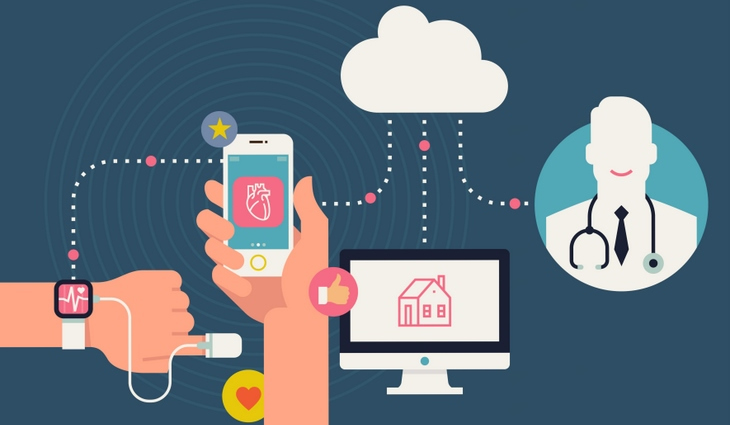
The healthcare market is changing. Patients’ expectations of convenience and quality are fueling their healthcare purchase decisions. Meanwhile, retail clinics, urgent cares, and direct-to-consumer telemedicine companies are entering the market in droves, giving patients more options outside the primary care relationship. As a consequence, health systems are finding patient engagement increasingly important.

From connected refrigerators that display the latest family photos to connected buttons that instantly place an order for laundry detergent when you press them, the Internet of Things is vast and growing rapidly. Health care is not immune to this new connected fever. Health care leaders and innovators are quickly developing connected health things that offer powerful new ways to care for people.

“Telemedicine doesn’t work!” That’s what I heard a few years ago from two angry friends who knew I worked in the field of telebehavioral health.

It turned out that the husband had had symptoms that led the ED staff at their local hospital to think he might be having a stroke. That hospital had a telestroke service, which was used to determine whether he had had an ischemic stroke and needed the clot-busting drug tPA to save his life.

In rural areas, telemedicine offers patients the opportunity to get specialty health services and physician consultations without the need for extensive travel. Rural telemedicine may be the great equalizer for rural populations, which typically experience reduced services and less favorable health outcomes compared to populations served by large medical centers.