


AI in Telemental Health: Rather than replacing clinicians, AI works best as a "clinical co-pilot" that boosts efficiency and supports better decisions. It can flag high-risk patients for early intervention, extend care between visits through tools like symptom tracking and journaling, and help keep human providers at the center of care.
The Arizona Telemedicine Program Blog, Category: Technology

From Gaming to Healing (Video Games): Once seen as isolating, video games are now valuable tools for mental health and rehabilitation. They foster social connection, build coping skills and empathy, and make repetitive therapy more engaging through game elements like goals and rewards, helping improve patient outcomes.
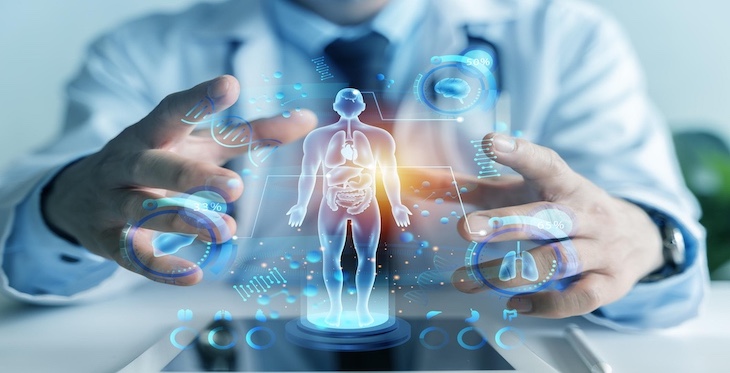
Healthcare in the United States is at a national inflection point. Telehealth, artificial intelligence (AI), and connected health technologies are rapidly transitioning from supplemental tools to core components of care delivery. AI-enabled clinical decision support, remote physiological monitoring, and virtual-first care models are increasingly embedded in routine workflows.
Digital transformation in healthcare is entering a more mature and accountability-driven phase. Health systems are moving beyond broad conversations about “AI in healthcare” and focusing instead on practical implementation, measurable outcomes, and operational impact. A central question is no longer whether artificial intelligence can be deployed, but whether it meaningfully reduces clinician burden, improves throughput, enhances care coordination, or simply shifts tasks within already strained workflows.
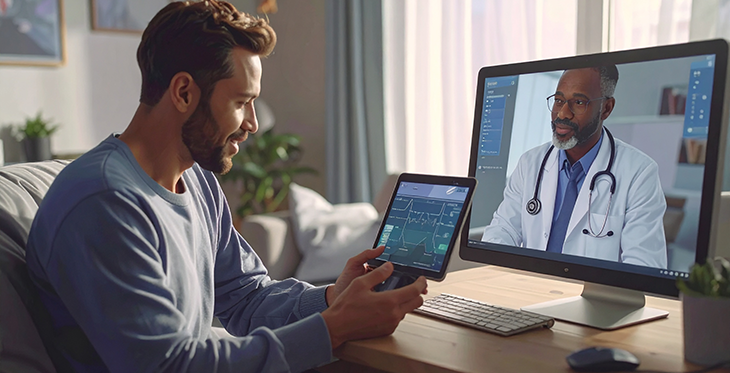
We identified significant policy changes when recently reviewing several commercial payer policies on remote monitoring: reduction in diseases that qualify for remote physiological monitoring (RPM) or complete deletion of remote therapeutic monitoring (RTM).
Aetna
Aetna’s policy was updated on 2/27/26 and limits RPM) to three diseases: